Introduction
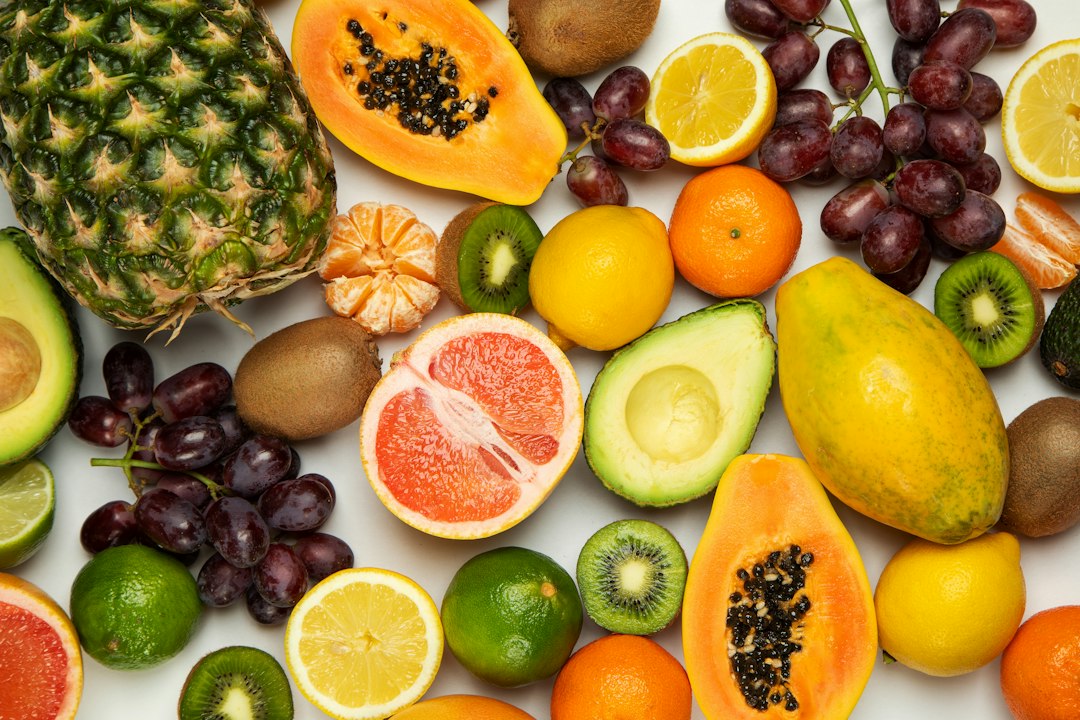
Bloating and fluid retention are two of the most common complaints among adults over 40, affecting quality of life and self-confidence in ways that younger people often don't experience. Whether it's the uncomfortable puffiness around your midsection, swollen ankles by day's end, or that tight feeling in your clothes, these issues can make even simple activities feel exhausting. The good news is that foods that reduce bloating and fluid retention are not exotic or hard to find—many are already in your kitchen or a short trip to the grocery store away. In this guide, we'll explore the science behind bloating and water retention, identify which everyday foods can help address these problems naturally, and discuss practical strategies to incorporate them into your routine. Understanding the connection between what you eat and how your body responds is the first step toward feeling more comfortable and confident in your own skin.
Understanding the Root Causes of Bloating and Fluid Retention
Bloating and fluid retention are not the same condition, though they often occur together and can feel very similar. Bloating is typically caused by gas, digestive discomfort, or inflammation in the gastrointestinal tract, while fluid retention (also called edema) happens when excess water accumulates in your body's tissues. As we age, several factors conspire to make both conditions more common. Our digestive systems slow down, producing less stomach acid and digestive enzymes that break down food efficiently. Hormonal changes, particularly in women approaching or in menopause, can dramatically increase water retention. Our kidneys become less efficient at filtering and managing sodium and water balance. Reduced physical activity, increasingly sedentary work environments, and the natural decline in muscle mass all contribute to poor circulation and fluid pooling in the lower extremities.
Dietary habits also play a massive role. Most adults over 40 consume far too much sodium, which causes the body to retain water to maintain proper electrolyte balance. Ultra-processed foods, refined carbohydrates, and artificial additives can trigger inflammatory responses and digestive distress. Insufficient fiber intake means food moves through the digestive tract more slowly, leading to fermentation and gas production. Dehydration is counterintuitively a major cause of fluid retention—when your body doesn't receive enough water, it clings to what it has. Additionally, food sensitivities that may not have bothered us in our twenties—gluten, dairy, or certain sweeteners—can cause inflammation and bloating as our digestive systems become more sensitive. Understanding these root causes is essential because it shifts the focus from quick fixes to sustainable, evidence-based solutions that actually address the underlying problem.
Recognizing Signs and Symptoms of Bloating and Fluid Retention
Bloating manifests in several distinct ways that are hard to miss. You might feel a persistent heaviness or fullness in your abdomen, even after eating only a small meal. Some people experience visible swelling—your stomach appears noticeably larger or rounder than usual, sometimes dramatically so within just a few hours. You may notice excessive gas, burping, or stomach sounds. Many describe a uncomfortable tightness or pressure, as if their clothes suddenly became one size smaller. For some, bloating comes with mild cramping or discomfort that ranges from annoying to genuinely painful. The timing can vary—some people bloat predictably after certain meals, while others struggle with it throughout the day regardless of what they've eaten.
Fluid retention presents differently but is equally noticeable. Swelling in the hands, feet, ankles, or legs is the classic sign—your rings might feel tight, your shoes might not fit properly, or you notice pitting edema where pressing your skin leaves a temporary indentation. Some people experience puffiness in the face or around the eyes, particularly noticeable first thing in the morning. Weight gain that seems to happen overnight, without any change in eating habits, often signals water retention rather than fat gain. Stiffness in joints, particularly the knees and ankles, can accompany fluid retention. Many adults report that symptoms worsen as the day progresses, particularly if they've been sitting or standing in one position for extended periods. The good news is that both conditions are highly responsive to dietary changes and lifestyle modifications. By identifying which symptoms affect you most, you can target your approach and select foods that reduce bloating and fluid retention that address your specific concerns.
Impact on Daily Life and Quality of Life
Living with chronic bloating and fluid retention goes far beyond physical discomfort—it affects how you move through the world. Many adults report that they avoid social situations, dining out, or activities they once enjoyed because they're self-conscious about their appearance or afraid of worsening their symptoms. The unpredictability is particularly frustrating; not knowing whether you'll feel and look "normal" tomorrow makes planning difficult. This uncertainty can contribute to anxiety and stress, which paradoxically can worsen both bloating and fluid retention through cortisol elevation and poor food choices.
Professionally, bloating can impact confidence in meetings, presentations, or client interactions. The physical discomfort—that tight, heavy, pressurized feeling—drains mental energy that could be directed toward work or creative pursuits. Sleep quality often suffers as well; lying flat can exacerbate swelling and bloating, leading to restless nights and grogginess the next morning. The cumulative effect on mental health is significant. Feeling uncomfortable in your own body erodes confidence and can contribute to depression or withdrawal from activities. Physically, chronic inflammation underlying many cases of bloating can increase the risk of other health conditions. This is why addressing bloating and fluid retention isn't superficial—it's a legitimate health priority that deserves serious attention and evidence-based solutions.
Natural and Lifestyle Approaches to Reducing Bloating and Retention
Before diving into specific foods, it's important to understand that reducing bloating and fluid retention naturally requires a multifaceted approach. Hydration is paradoxically the first and most important step. Drinking adequate water—typically 8-10 glasses daily, more if you're active or live in a hot climate—signals to your body that water is abundant and it doesn't need to cling to what it has. Many people find that increasing water intake actually reduces bloating within just a few days.
Physical movement is equally critical. Gentle exercise, particularly walking, swimming, or yoga, improves circulation and lymphatic drainage—the system responsible for removing excess fluid from tissues. Even 20-30 minutes of moderate activity most days makes a measurable difference. For those with significant lower extremity swelling, elevating your legs above heart level for 15-20 minutes several times daily can provide relief. Reducing sodium intake is essential; most Americans consume 3,000-4,000 mg daily when the recommended amount is under 2,300 mg. This means scrutinizing packaged foods, canned soups, deli meats, and restaurant meals, which account for about 75% of dietary sodium. Stress management through meditation, deep breathing, or time in nature helps regulate cortisol and supports healthy digestion. Sleep quality matters too—aim for 7-9 hours nightly, as poor sleep disrupts hormones that regulate fluid balance and appetite control.
Key Nutrients and Dietary Strategies for Natural Relief
Certain nutrients are particularly important for managing bloating and fluid retention. Potassium is a critical electrolyte that works opposite to sodium; it promotes fluid excretion rather than retention. A 2019 study published in the American Journal of Clinical Nutrition found that increasing dietary potassium significantly reduced water retention in participants over 50. Foods rich in potassium include bananas, sweet potatoes, spinach, avocados, and beans. Magnesium supports healthy digestive function and helps relax the muscles in your digestive tract, reducing cramping and gas. Research from Nutrients Journal (2020) demonstrated that magnesium supplementation reduced bloating symptoms in 60% of participants. Magnesium-rich foods include pumpkin seeds, almonds, dark leafy greens, and dark chocolate (in moderation).
Fiber is essential for healthy digestion, but it must be increased gradually to avoid initially worsening bloating. Soluble fiber—found in oats, apples, and legumes—is particularly helpful as it feeds beneficial gut bacteria and supports regular bowel movements. Ginger and turmeric are powerful anti-inflammatory compounds that reduce digestive inflammation and gas production. A 2015 study in the Journal of Medicinal Food showed that ginger supplementation reduced bloating and digestive discomfort in adults over 40. Fresh ginger tea or turmeric in cooking can make a real difference. Probiotic-rich foods like yogurt, kefir, sauerkraut, and kimchi support healthy gut bacteria, which are crucial for proper digestion and immune function. This is why many adults turn to targeted nutritional support formulas—Aqua Sculpt combines key nutrients known to support healthy fluid balance and reduce bloating, though dietary sources should always be your first line of approach.
Frequently Asked Questions
Q: How long does it take to see results from dietary changes?
A: Most people notice improvements in bloating within 3-7 days of making dietary changes, particularly if they reduce sodium and increase water intake. Fluid retention may take 1-2 weeks as your body rebalances electrolytes. Consistency matters more than perfection; occasional slip-ups won't erase progress.
Q: Are there foods I should actively avoid?
A: Yes. Reduce high-sodium processed foods, artificial sweeteners (especially sugar alcohols like sorbitol), carbonated beverages, and excessive caffeine. If you have sensitivities, eliminate gluten or dairy temporarily to see if symptoms improve. Keep a food diary to identify personal triggers.
Q: Should I be concerned if bloating doesn't improve?
A: If bloating persists despite dietary changes and increased water intake for more than 2-3 weeks, consult your healthcare provider. Persistent bloating can indicate food intolerances, digestive disorders, or other medical conditions that require professional evaluation.
Taking Action Today
Bloating and fluid retention are frustrating, but they're highly responsive to the right dietary and lifestyle changes. Many adults find that simply prioritizing potassium-rich foods, increasing hydration, and reducing sodium brings noticeable relief within days. If you're looking to deepen your understanding of the nutritional factors that support healthy fluid balance, see what Aqua Sculpt offers and how its formulation aligns with the science-backed strategies discussed here.