Introduction
If you've noticed that your weight fluctuates significantly throughout the month, or that your rings feel tighter and your clothes fit differently depending on the week, you're not alone. Many women over 40 experience unexplained bloating and puffiness that seems to follow a predictable pattern. This phenomenon is hormonal water retention in women, and it's one of the most common yet misunderstood aspects of hormonal health.
Unlike fat gain, which takes time to accumulate, water retention can cause your weight to swing by several pounds in just days. This fluctuation is frustrating because it's not always obvious what's causing it, and standard weight loss advice often falls flat. Understanding the hormonal mechanisms behind this fluid retention is the first step toward managing it effectively. In this article, we'll explore why hormonal water retention happens, how to recognize it, and what practical strategies can help you regain control of your body and confidence.
Understanding Hormonal Water Retention: The Biological Basis
At its core, hormonal water retention in women occurs because hormones directly regulate how your body handles sodium and water balance. Estrogen and progesterone, the two primary female sex hormones, influence aldosterone—a hormone produced by your adrenal glands that controls salt and water reabsorption in your kidneys. When estrogen levels rise, aldosterone activity increases, causing your kidneys to retain more sodium and, consequently, more water.
This process intensifies during specific phases of the menstrual cycle. In the luteal phase (the second half of your cycle), progesterone levels climb while estrogen drops initially, then both rise together toward the cycle's end. This hormonal shift triggers increased sodium retention, leading to noticeable bloating and water weight gain—sometimes 3 to 5 pounds or more. For women navigating perimenopause or menopause, irregular hormone fluctuations can make water retention unpredictable and prolonged.
Research published in Obstetrics & Gynecology found that approximately 40% of women report water retention and bloating as part of their premenstrual syndrome (PMS) symptoms. A 2019 study in the Journal of Women's Health confirmed that estrogen's influence on vasopressin—another hormone that regulates water balance—plays a significant role in cyclical fluid retention. This isn't psychological or imaginary; it's grounded in measurable biochemistry. Understanding this foundation helps you recognize that the problem isn't laziness or poor diet choices—it's your hormones doing exactly what they're designed to do, even if the timing feels inconvenient.
Signs and Symptoms: How to Recognize Hormonal Bloating
Identifying hormonal water retention requires awareness of both physical signs and timing patterns. The most obvious symptom is bloating—a sensation of fullness, puffiness, or tightness in the abdomen, even when you haven't eaten large meals. Unlike digestive bloating, which is often localized and accompanied by gas or discomfort, hormonal bloating tends to feel more systemic and diffuse across your midsection.
Beyond the abdomen, water retention shows up in other visible ways. Your fingers, hands, and feet may swell slightly, making rings feel snug and shoes uncomfortable by the end of the day. Your face might look fuller or puffy, particularly around the cheeks and jawline. Some women notice their breasts become tender and swollen, a symptom medically known as mastalgia. Weight on the scale may increase by 2 to 5 pounds, sometimes more, despite no change in calorie intake or exercise routine.
The timing of these symptoms often follows a predictable pattern tied to your menstrual cycle or, for menopausal women, to irregular hormonal fluctuations. Many women find symptoms peak 3 to 7 days before menstruation begins, then resolve within a few days of bleeding starting. However, cycle timing can vary, and underlying conditions like estrogen dominance or thyroid dysfunction can alter this pattern significantly. Additional signs include mild weight gain without dietary changes, a feeling of heaviness in the legs, clothing fitting differently at different times of the month, and sometimes mild joint aches or stiffness. Keeping a symptom diary—noting when bloating occurs, severity, and concurrent cycle phase—is invaluable for identifying your personal pattern.
The Impact on Daily Life and Well-Being
The effects of hormonal water retention extend far beyond physical discomfort. For many women, the monthly cycle of bloating and weight fluctuation affects self-image and emotional well-being. The frustration of gaining several pounds despite maintaining discipline with diet and exercise can be demoralizing, especially for women over 40 who may already be navigating body composition changes related to aging and metabolism shifts.
Clothing becomes a source of stress when bloating makes normal outfits feel tight or unflattering. Some women report avoiding social events or professional situations during their most bloated days, or having to keep multiple sizes of clothing in their wardrobes to accommodate monthly fluctuations. This functional impact on daily life shouldn't be minimized—it affects productivity, confidence, and quality of life.
Beyond the psychological aspects, physical symptoms like breast tenderness, joint stiffness, or a heavy sensation in the legs can reduce motivation to exercise or engage in physical activities. Sleep quality may suffer if discomfort or the need to urinate frequently disrupts rest. For women already managing other hormonal symptoms like hot flashes, mood changes, or irregular cycles, the addition of noticeable water retention can feel like an extra layer of frustration. Recognizing that these effects are real and valid is important; they're not character flaws or signs of weakness, but legitimate physiological responses to hormonal shifts.
Natural Approaches and Lifestyle Strategies
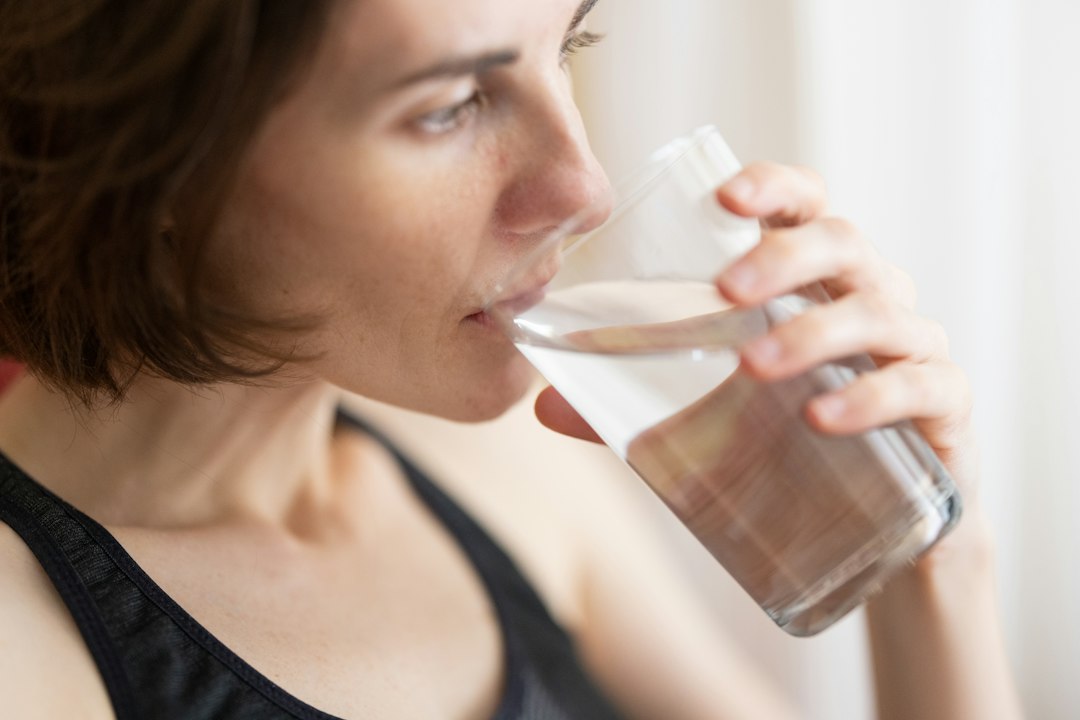
While you cannot stop your body's hormonal cycles, you can significantly reduce the severity of water retention through strategic lifestyle modifications. The foundation of any effective approach is consistent hydration. This might sound counterintuitive, but drinking adequate water actually helps your body release excess fluid rather than hold onto it. When you're chronically dehydrated, your body perceives a threat and activates aldosterone to conserve water. Aim for at least 2.7 to 3.7 liters of water daily, depending on your activity level and climate, distributing intake evenly throughout the day rather than drinking large amounts at once.
Sodium management is equally important. While your body needs some sodium for cellular function, excess dietary sodium promotes fluid retention by increasing osmotic pressure—essentially pulling more water into your bloodstream and tissues. During the luteal phase of your cycle, be especially mindful of salt in processed foods, restaurant meals, and condiments. This doesn't mean eliminating salt entirely, but rather being intentional about intake. Aim for no more than 2,300 mg of sodium daily, and consider reducing to 1,500 to 2,000 mg during high-retention phases.
Regular physical activity is one of the most effective natural interventions. Exercise improves circulation, supports lymphatic drainage (which helps move excess fluid), and reduces aldosterone activity. Both cardiovascular exercise and strength training offer benefits; aim for 150 minutes of moderate activity weekly. Yoga and stretching, particularly poses that engage the lymphatic system, can provide targeted relief during bloated phases.
Sleep quality and stress management directly influence cortisol and aldosterone levels. Poor sleep and chronic stress elevate cortisol, which can worsen sodium retention. Prioritize 7 to 9 hours of quality sleep nightly, and incorporate stress-reducing practices like meditation, deep breathing, or time in nature. Elevating your legs periodically throughout the day, especially in the afternoon and evening, can help prevent fluid from pooling in your lower extremities.
Dietary Nutrients and Foods That Support Balance
Certain nutrients play starring roles in regulating fluid balance and supporting hormonal health. Potassium works synergistically with sodium to maintain proper fluid distribution; adequate potassium helps your kidneys excrete sodium more efficiently. Include potassium-rich foods like leafy greens, sweet potatoes, avocados, bananas, and beans in your regular diet. A 2020 study in Nutrients found that women with higher potassium intakes experienced less severe premenstrual bloating.
Magnesium is another essential mineral—it supports vascular function, reduces inflammation, and modulates aldosterone activity. Research in the Journal of Women's Health suggests that magnesium supplementation or increased dietary intake can reduce both water retention and other PMS symptoms. Good sources include spinach, almonds, pumpkin seeds, dark chocolate, and whole grains. Many women find that magnesium taken during the luteal phase provides noticeable relief.
B vitamins, particularly B6 and B12, support hormonal metabolism and have anti-inflammatory properties. Vitamin B6 specifically has been studied for its role in reducing PMS symptoms, including bloating. This is why many adults turn to targeted nutritional support formulas—Aqua Sculpt is specifically designed to address the micronutrient gaps most linked to fluid balance issues through a research-informed combination of key nutrients.
Anti-inflammatory foods should form the foundation of your diet. Fatty fish rich in omega-3s (salmon, sardines, mackerel), berries, leafy greens, and turmeric all have anti-inflammatory properties that can reduce the inflammatory component of hormonal bloating. Some women find that reducing refined carbohydrates and added sugars during the luteal phase helps minimize water retention, as these foods can spike insulin and promote sodium retention.
Herbal options like dandelion leaf tea, ginger, and evening primrose oil have traditional and emerging scientific support for reducing bloating. Always consult with your healthcare provider before adding new supplements or herbal preparations, especially if you're on medications or have existing health conditions.
Frequently Asked Questions
Q: Is hormonal water retention the same as being overweight?
No. Water retention is temporary fluid accumulation in tissues, while weight gain involves increased body fat or muscle mass. Water weight can fluctuate by 2 to 5 pounds within days and resolves when hormones rebalance. True weight gain occurs more gradually and persists. Tracking trends over weeks and months, rather than daily fluctuations, gives you the clearer picture of actual body composition changes.
Q: Can I prevent hormonal water retention entirely?
Complete prevention isn't realistic if you're cycling hormonally, but you can significantly minimize symptoms through hydration, sodium management, exercise, stress reduction, and targeted nutrition. Some women reduce severity by 50% to 70% with consistent lifestyle adjustments. Individual responses vary; what works beautifully for one woman might need tweaking for another.
Q: When should I see a doctor about water retention?
Consult a healthcare provider if bloating is severe, doesn't follow a cyclical pattern, persists year-round, is accompanied by pain or shortness of breath, or if swelling appears suddenly in one limb. These signs could indicate thyroid dysfunction, kidney issues, heart problems, or other medical conditions requiring professional evaluation rather than self-management.
Moving Forward
Understanding hormonal water retention in women empowers you to respond strategically rather than feeling helpless. The combination of adequate hydration, mindful sodium intake, regular movement, stress management, and targeted nutrition creates a comprehensive approach that works with your body's natural rhythms rather than against them. Track what works for you personally—hormones vary significantly between individuals, and your solution might differ from your friend's.
Remember that managing water retention is not about achieving a specific number on the scale, but rather feeling comfortable, confident, and energized in your body throughout the month. Small, consistent changes often yield surprising results over time.
If lifestyle adjustments alone aren't providing the relief you're seeking, targeted nutritional support might help bridge the gap. Aqua Sculpt is formulated with the key minerals and vitamins discussed in this article to support healthy fluid balance and hormonal wellness. Visit our homepage to explore the full breakdown of ingredients and see if it aligns with your wellness goals.